
ZILPHA
She does not tell your future. She shows you the truth you already carry.
They say she was not born so much as arrived. London, the winter of 1881, the river fog so thick the lamplighters worked at noon — and on the steps of a shuttered theatre in Spitalfields, a child no one had carried there. No name pinned to her coat. No mother to be found. Only a deck of cards in her small hands, worn soft as though they had been shuffled for a hundred years before she drew her first breath.
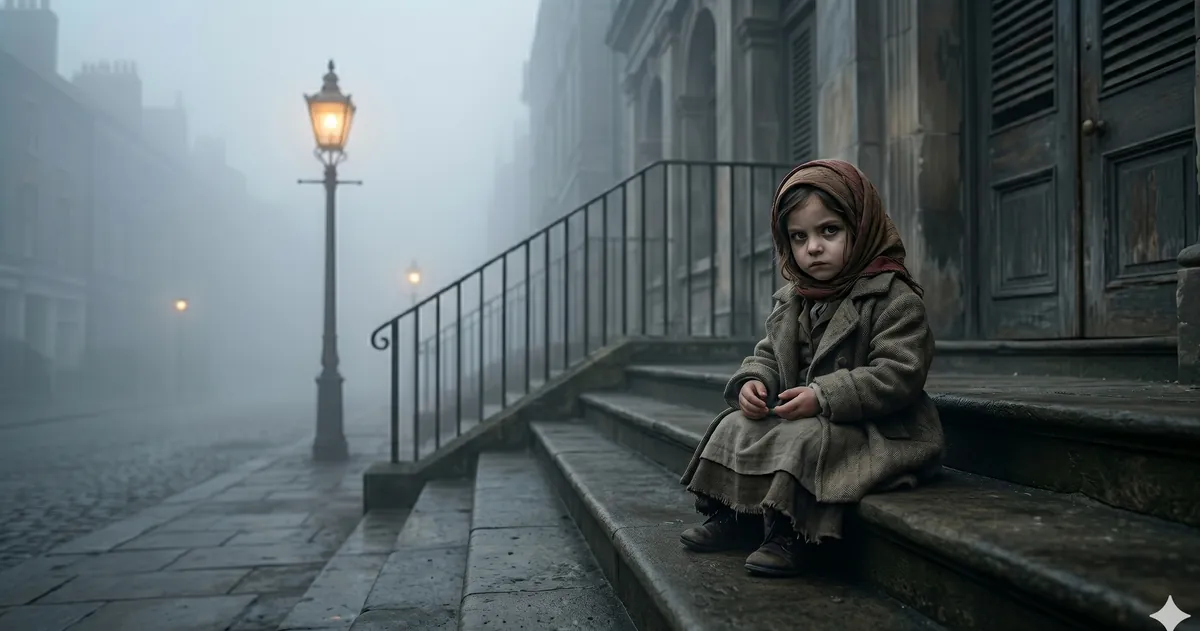
The travelling women who took her in called her Zilpha, after a grandmother none of them could quite remember having. She spoke late, and when she spoke she said things a child should not know — the name of a sailor three streets over who would not come home, the month a landlord's heart would stop, which of two sisters carried a secret and which only thought she did. The women learned not to ask her how. Zilpha did not guess. Zilpha simply looked, the way you look at a word already written.
The Reader of Gaslight Lane
By the time she was grown she kept a back room off a lane that does not appear on any map of the city — a single table, two chairs, a lamp the colour of brandy. They came to her in veils and high collars: dock men and duchesses, a Member of Parliament who arrived by the servants' door, a widow who had buried three husbands and wanted to know about the fourth. Zilpha turned their cards and told them, plainly, the thing they had crossed half of London to avoid hearing.
She was never wrong. This is the part of the legend on which every teller agrees. She warned a shipping magnate off a vessel that sailed without him and was lost with all hands. She told a poet, gently, that the love he was writing to was already lost, and named the day he would accept it. She refused, once, to read for a man at all — and what she would not say to him, the city read in the papers a week later.
“The cards keep no secrets, love. They only wait for someone honest enough to turn them.”
The Mystery That Would Not Settle
Here the story frays, as the best stories do. For there are accounts of Zilpha reading cards in gaslit rooms across fifty years and more — the same dark eyes, the same braided shawl, the same unhurried hands — and in none of them does she appear to age. A clerk's diary from 1884 describes her exactly as a soldier's letter does in 1919. Some swore there were two of her, or three, a line of daughters bearing the gift and the name. Others said the simpler thing: that Zilpha had no birth because she had no beginning, that she was the city's own memory wearing a woman's face, sat down at last to tell the truth to anyone who would sit across from her.
Where she came from, no one ever agreed. Where she went, no one can say. The lane is gone, the lamp is dark, the back room paved over. But the cards, they say, were never buried with her — because she was never buried at all.
Now she keeps her table in your pocket. Sit down. Ask your question. And let Zilpha turn the cards.